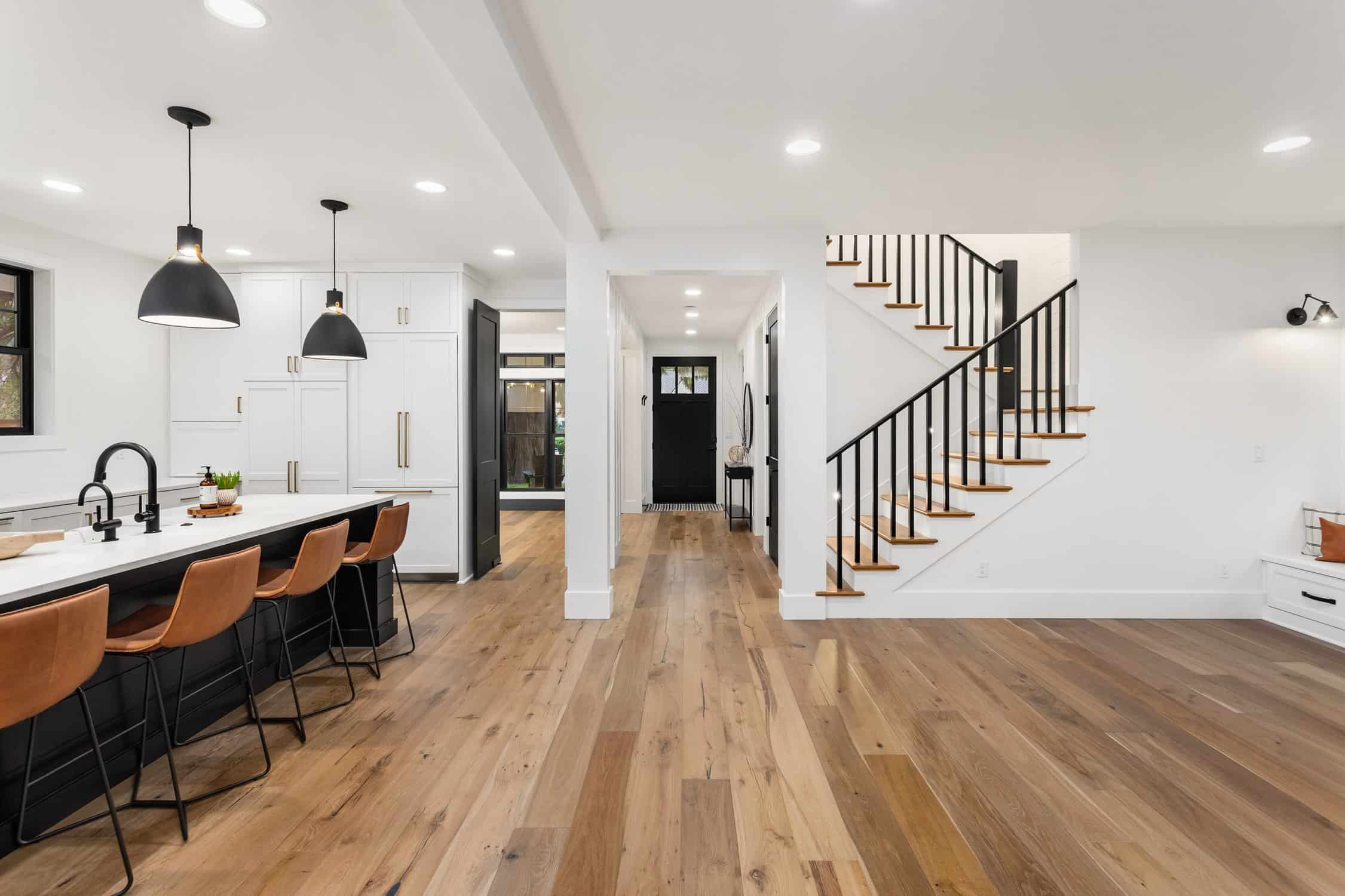
You picked your first color and finally feel settled. The next morning, the paint color pairing is what blocks every decision. You taped six swatches above the trim and walked away three times. The room still does not look right. Most new homeowners run into the same wall, and the trouble usually starts with how to pick a second paint color.
This post walks through what makes the second color feel harder, the rule that simplifies the choice, and what to do when nothing seems to fit.
Where Most New Homeowners Get Stuck
The first color answers a single question. You picture the feeling you want and reach for a shade that matches. The second color asks four questions at once. It has to suit the wall, the trim, the light during the day, and the room next door. The brain freezes. Each new option triggers three more questions. Six tabs turn into twelve, then twenty. Picking nothing starts to feel like the safest move on the table. That stuck moment is what designers call decision paralysis, and it stops more painting projects than any budget problem ever does.
Three Steps That Settle Paint Color Pairing
Most professional designers use the 60-30-10 rule when teaching homeowners how to pick a second paint color. The dominant color (your first pick) covers about 60 percent of the room, usually the walls. The second color takes 30 percent on trim, cabinets, or a feature wall. The accent color takes the last 10 percent on a door or one piece of furniture.
Then apply three checks before you commit:
A trained interior painter who handles interior house painting daily follows the same checklist before a brush leaves the bucket.
Test Your Color With Our Builder
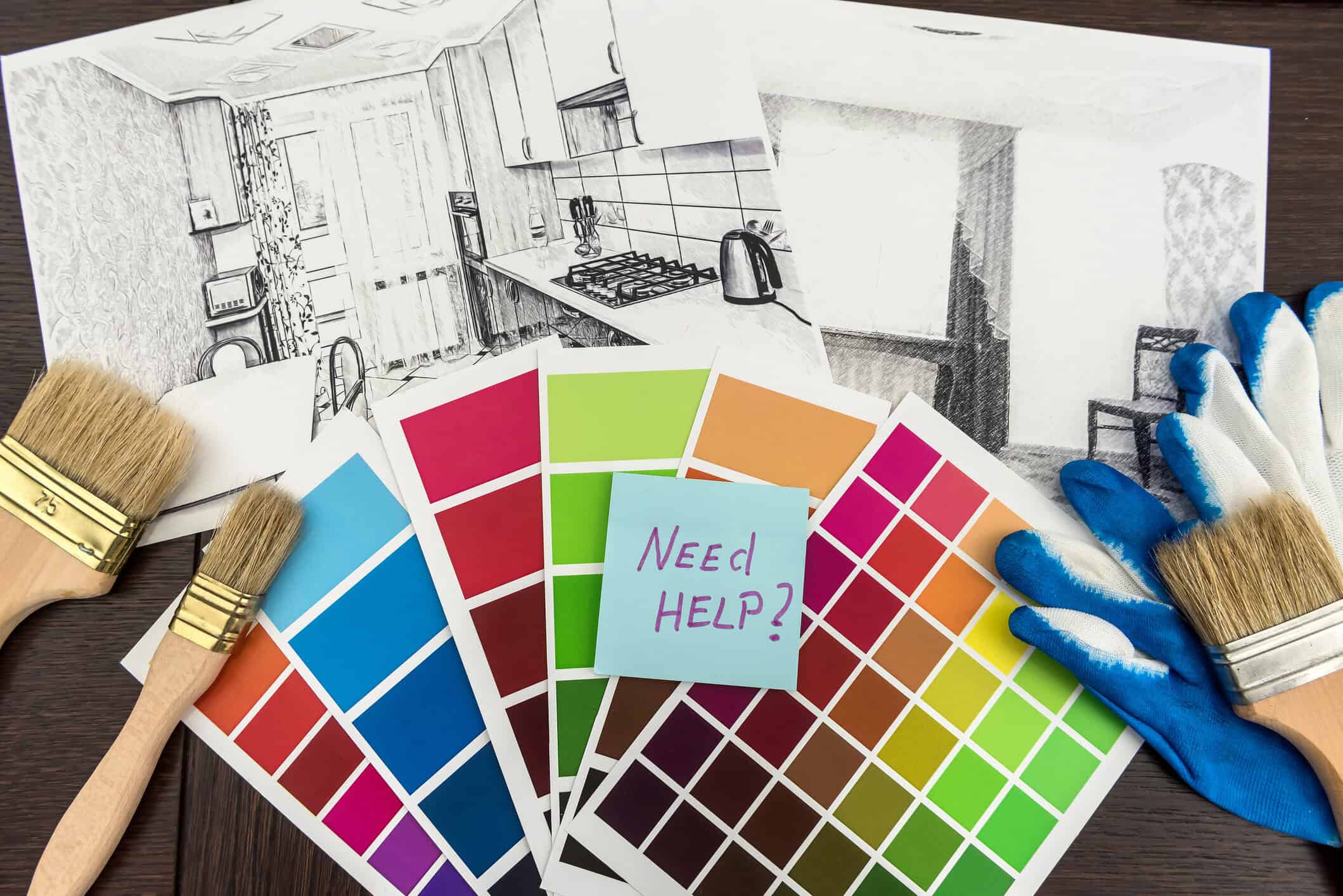
Before you tape another swatch, run your first color through the tool below. Pick the room, drop in your color (or pull a hex from a fabric photo), and four pairings appear. The tool does not replace seeing color on a real wall under real light. What it does is hand you a shortlist, so you walk into the paint store with a plan instead of a guess.
Color Palette Builder
Plan Your Paint Palette
Choose Your Room
Where are you painting?
Pick Your Color
Start from a favorite, your own hex code, or a photo.
Photos can shift colors based on lighting and your camera. Use this as a starting point, then test on the real wall before committing.
Your Palette Options
Click any color to copy its hex code.
Where Color Plans Tend to Fail
Some homeowners pick a partner at the store and notice the trim now reads yellow against the wall. Others copy a color from a styled photo online, only to find the same shade falls flat in a north-facing room. The most common interior house-painting mistake is choosing a second color without seeing both colors together in the actual room, in the actual light. A repaint within six months is the usual cost. That means a second weekend lost and a second gallon paid for. Quality interior house painting starts with avoiding mistakes before the can opens.
What an Interior Painter Sees That You Cannot
A working interior painter does what no swatch or app can. They walk the room with you, study the floors, the trim, and the daylight in person. Then they tell you whether your paint color pairing will hold from breakfast to dinner. Local interior house painting experience matters in Scranton because the housing stock varies. Older homes with smaller rooms read warmer than open-plan new builds. Hill-shaded lots read cooler than sun-facing ones.
Years of in-room experience shorten the decision by hours. It also keeps you from paying for a gallon of color that was never going to fit. An interior painter who works in Northeastern Pennsylvania every week brings that pattern recognition to your wall.