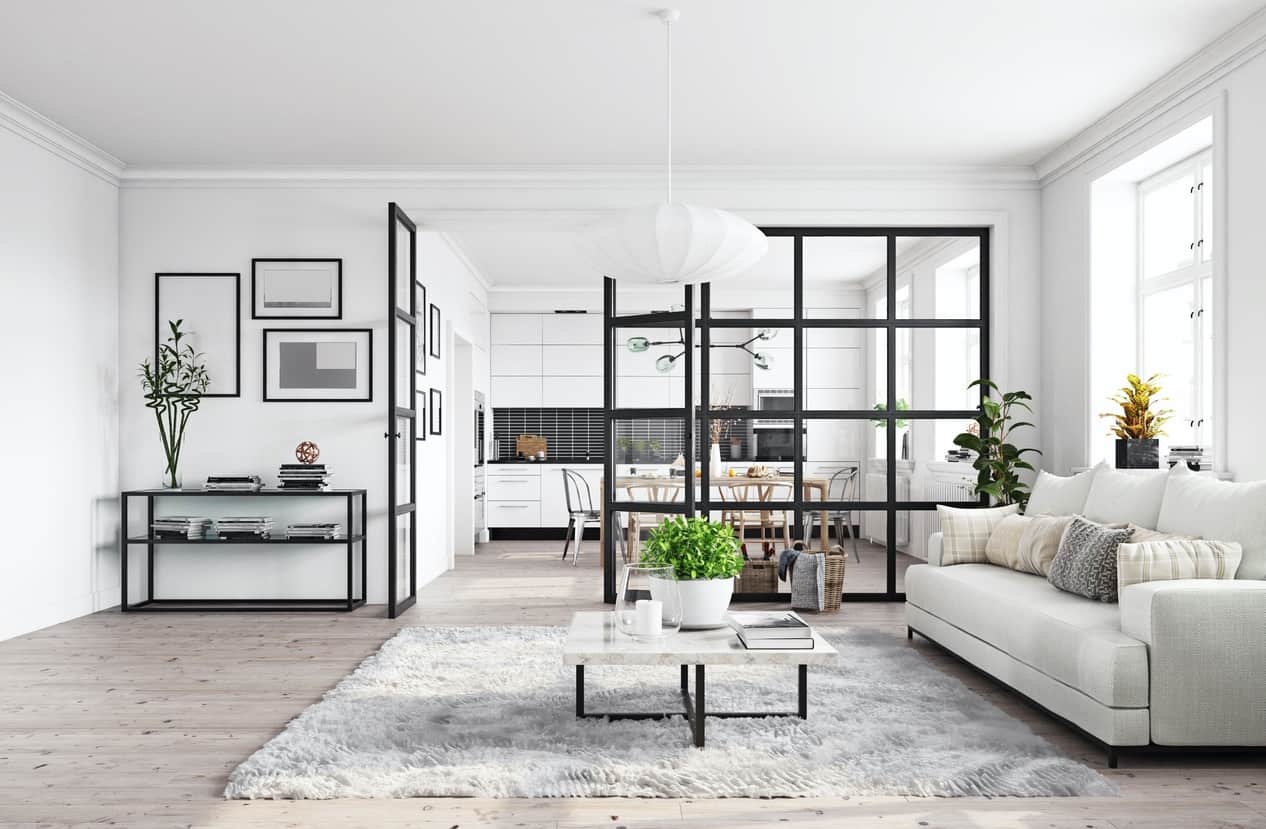
You picked your colors. Now you are standing in the paint aisle facing a question that catches most homeowners off guard: paint finish for bathroom walls is not the same choice as paint finish for your living room, and getting it backwards can mean a redo within a year. Every room in your home asks something different of the paint on its walls, which is exactly what this paint sheen guide is built to help you sort out. Flat, eggshell, satin, semi-gloss, and high gloss are not just style options. Each one is built to solve a specific problem, whether that’s moisture, foot traffic, or a toddler with sticky hands.
I am Nick Ruggieri, owner of Pocono Pro’s Painting & Power Washing. I have stood in front of more paint charts with homeowners across Milford, PA, than I can count, and the sheen question comes up almost every time. The good news is that matching the right finish to the right room is not complicated once you know what each one is actually built for. If you want to see how this fits into a full repaint, our interior house painting page walks through our entire process, including prep work.
Paint Sheen Guide: The Basics, Explained Simply
Every paint finish sits somewhere on a scale from flat to high gloss, and where it sits on that scale determines what job it can actually handle.
None of these are better or worse across the board. The right choice depends entirely on the room, which is where a lot of homeowners get stuck.
Matching Sheen to Room: A Quick Reference
| Room | Recommended Finish | Why It Works |
|---|---|---|
| Bathrooms | Satin or semi-gloss | Resists steam and moisture, wipes clean without damage |
| Kitchens | Satin or semi-gloss | Handles grease splatter and daily wiping near the stove |
| Living rooms and bedrooms | Eggshell or satin | Soft appearance that still cleans up without extra shine |
| Hallways and kids’ rooms | Satin or semi-gloss | Stands up to backpacks, scuffs, and repeated cleaning |
| Ceilings | Flat or matte | Hides seams and imperfections without glare |
| Trim, doors, and cabinets | Semi-gloss or high gloss | Wipes clean and holds up to daily hand contact |
Why Paint Finish for Bathroom Walls Needs Its Own Rules
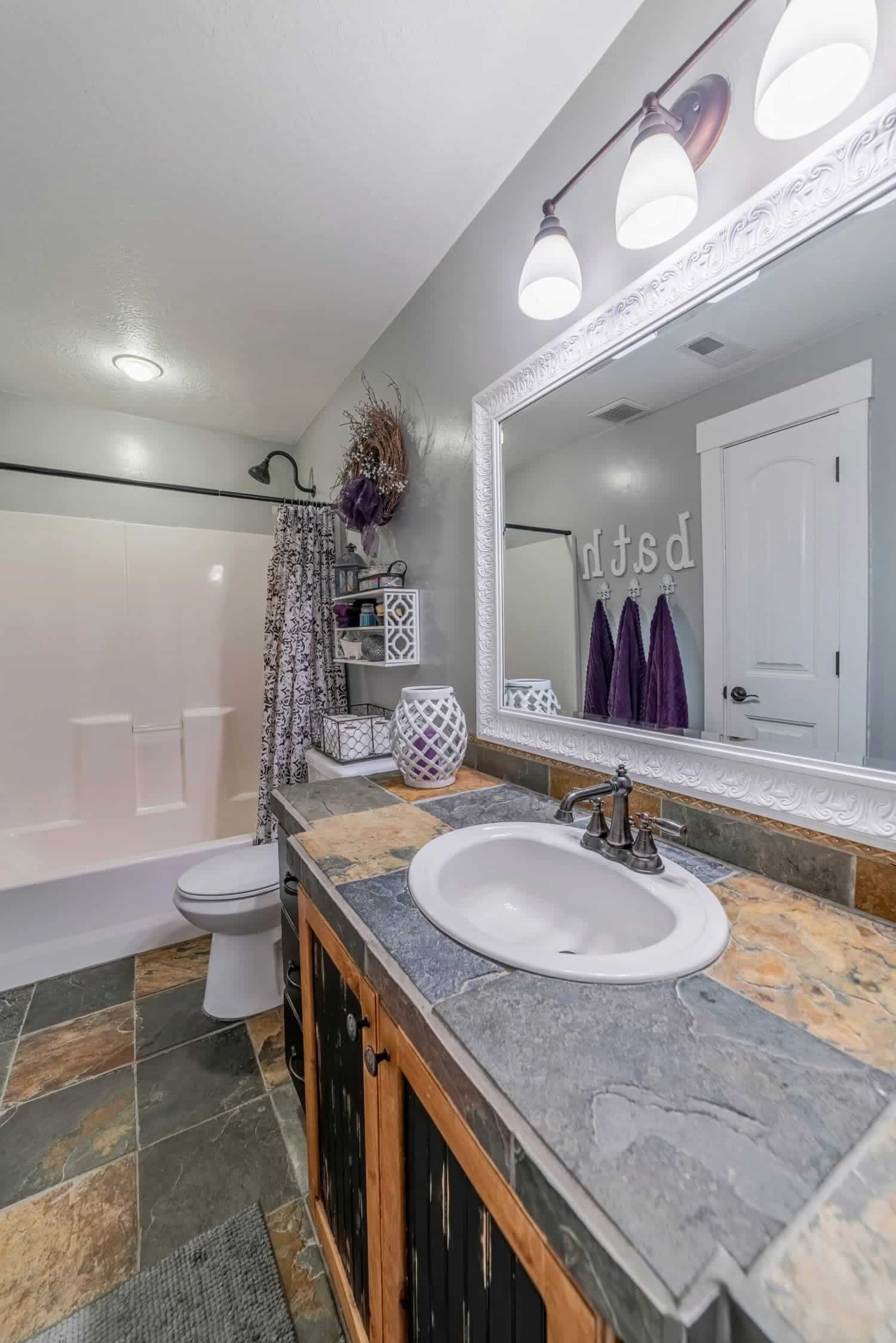
Bathrooms are the one room where the wrong finish shows up fast. Steam from a hot shower settles on the walls every single day, and a flat or matte finish will absorb that moisture instead of shedding it. Over time, that trapped moisture is a major reason paint peels, bubbles, or grows mildew in the corners near the tub and vanity.
Satin and semi-gloss finishes solve this because they are less porous. Moisture beads and wipes away instead of soaking into the paint film. That same quality also makes bathroom walls easier to actually clean, since soap scum and toothpaste splatter come off with a damp cloth instead of leaving a permanent mark. It is a small decision at the paint counter that has a real effect on how the room holds up over the next several years. This is the kind of detail our team walks through on every interior painting estimate before a single wall gets touched.
What Actually Backs This Up
This is not just a preference among painters. The Painting Contractors Association defines a properly finished surface as one with a uniform, consistent sheen across the entire job, which is part of the industry standard contractors are held to. On the durability side, Sherwin-Williams’ own technical guidance confirms that semi-gloss and gloss finishes provide meaningfully better scrub resistance than flat or satin paints, which is exactly why high-traffic rooms and trim call for a higher sheen. Neither of these sources is guessing. Both are built on how these finishes actually perform under repeated use, not just how they look on day one.
The Real Cost of Guessing Wrong
Interior painting in our area typically runs $3 to $6 per square foot, depending on prep and the number of colors involved. That number changes very little based on which sheen you pick, but a wrong sheen choice can force a full redo years earlier than it should happen. A flat finish in a busy hallway might need repainting in two or three years instead of five, simply because it could not handle the daily wear. That is money spent twice for a job that should have lasted once.
When to Call a Professional Instead of Guessing
Some rooms are simple. Others have humidity issues, old paint layers, or lighting that changes how a sheen actually reads on the wall. If you are not sure which way to go, that is exactly what a color consultation is for. We built our own in-house color consulting service specifically because this decision stresses people out, and we would rather solve that for you than have you guess and live with it.